Are you trying to find a dermatologist or skin clinic in Seoul, and finding hundreds of clinics in Gangnam that all look the same online?
Read this before you book. Choosing by Instagram photos or the lowest price is the most common reason foreign patients tell me their last treatment in Korea did not go the way they hoped.
After reading, you will know what “dermatologist” and “skin clinic” actually mean in Korea, the specific things to check before you book, what common treatments cost in Seoul in 2026, how a first visit goes, how much downtime to plan into your trip, and which red flags mean you should keep looking.
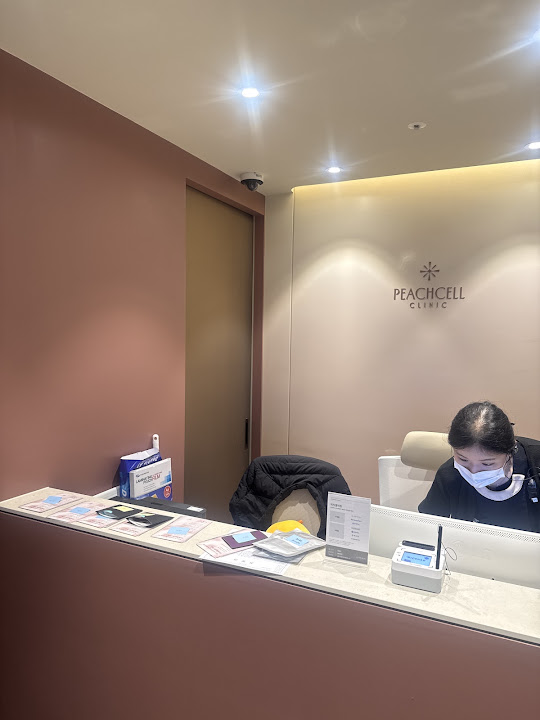
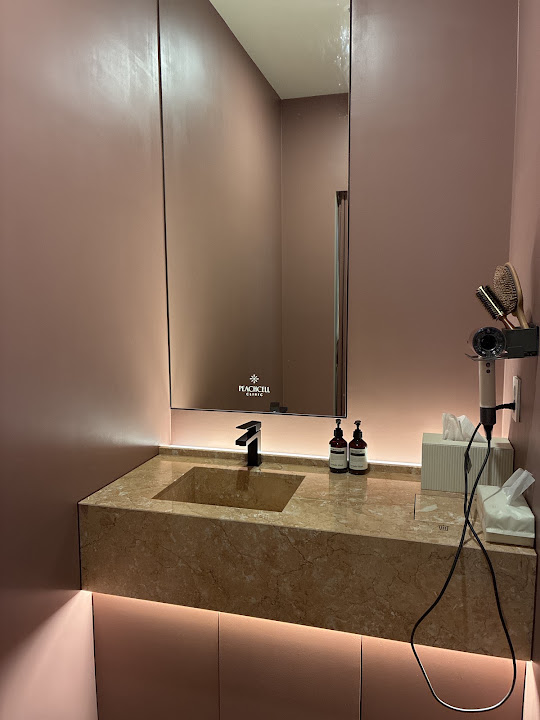
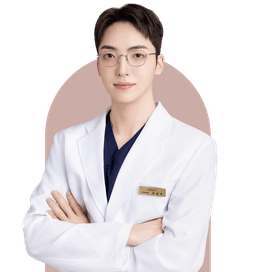
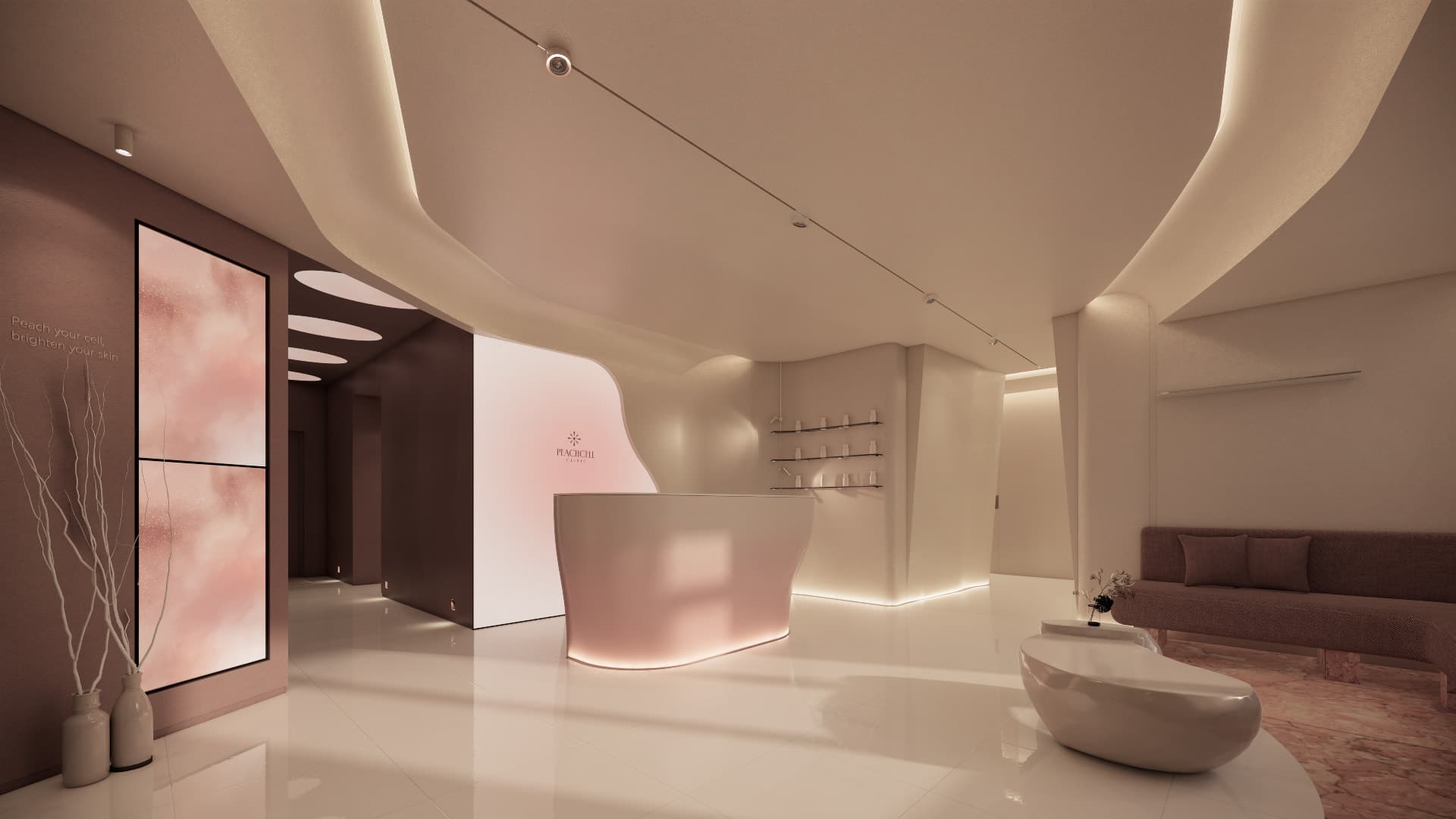
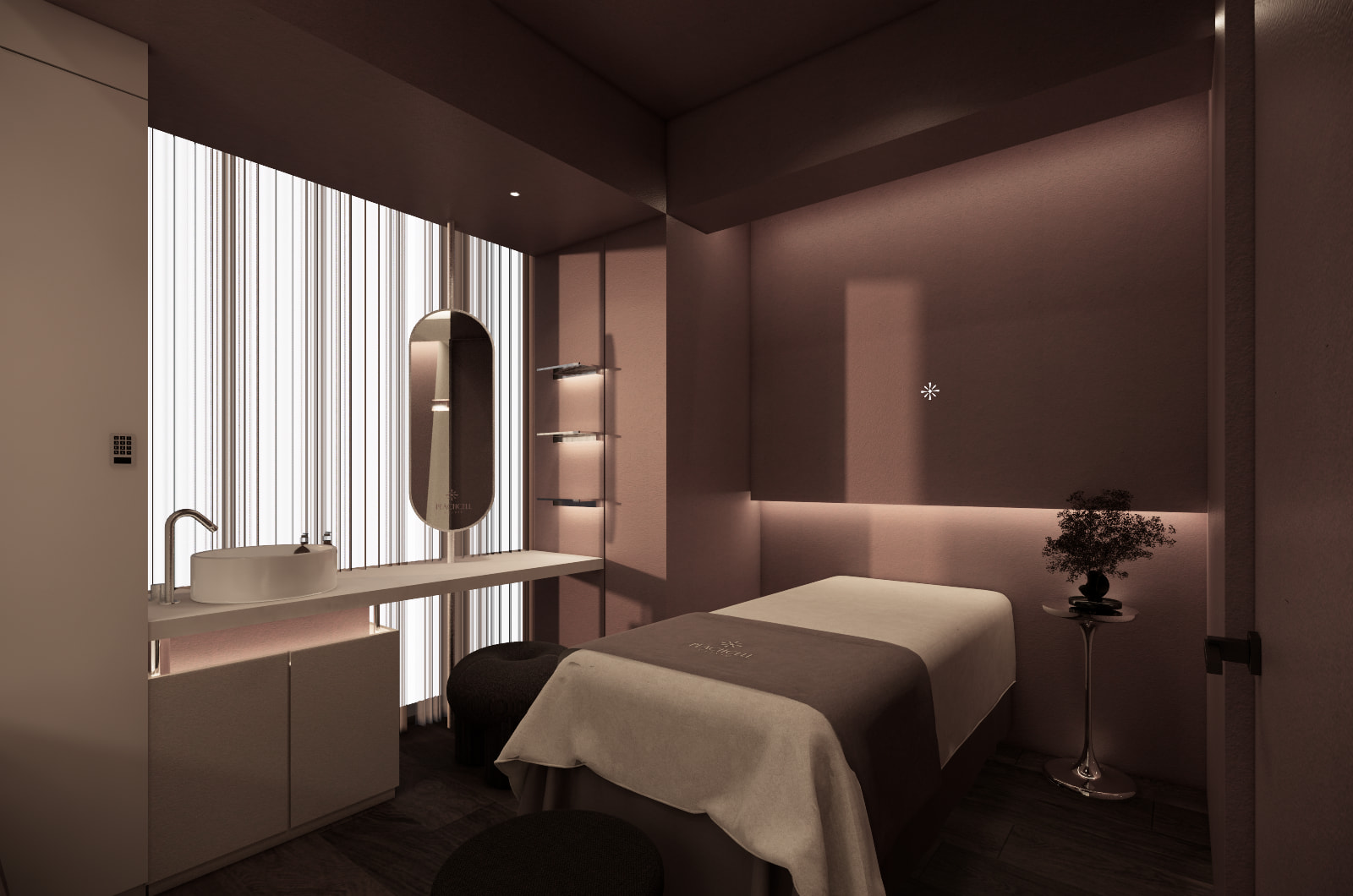
I’m Dr. Ha Chang-ik, head doctor of Peachcell Clinic in Sinsa, Seoul. At our clinic, every first visit starts with a 3D skin analysis on EVE MUSE, then a one-to-one consultation with the doctor who actually performs your treatment, not a counselor. We use genuine devices with genuine tips, and genuine products at the full stated dose. Since October 2026, all of our treatment and care rooms are private one-person rooms.
I’m the academic director of the Korean Society of Filler Medicine (KSFM), and in 2026 I gave invited lectures to other doctors at the KSFM Gwangju Live Seminar and the KORA Autumn Congress. Before Seoul I practiced in Jeju, where the strong sun meant I treated a lot of pigmentation.
I wrote this guide because many international patients assume every clinic in Gangnam offers the same treatment at different prices. The device name or product name on an ad tells you very little. Who treats you, how much product or how many shots you get, and whether the tip is genuine make a large difference.
Dermatologist vs skin clinic in Korea: what the words mean
In English, people often say “dermatologist” for any doctor who treats skin. In Korea, the picture is a little different:
- Board-certified dermatologists have completed specialist training in dermatology. In Korea, a clinic can put a specialty such as dermatology (피부과) in its official name only when it is run by a specialist in that field.
- Aesthetic skin clinics are run by licensed medical doctors and focus on lasers, lifting, skin boosters, Botox and fillers. Many are registered under a name that simply ends in “의원” (clinic).
Which one you need depends on why you are going:
- For a medical skin condition, such as a changing mole, severe eczema, psoriasis or a rash that won’t heal, see a board-certified dermatologist or a university hospital dermatology department.
- For aesthetic treatment, such as pigmentation, pores, skin quality, lifting or injectables, what matters most is the treating doctor’s experience with that specific treatment, and how honestly the clinic plans it.
Whatever you choose, you can ask any clinic directly about the doctor’s training. Mine is listed on Dr. Ha Chang-ik’s profile.
A checklist for choosing a skin clinic in Seoul
- Who consults you, and who treats you? Ask whether you will meet the doctor who performs the treatment before it starts. In some busy clinics, a counselor plans and sells the treatment and a doctor you have not met does it.
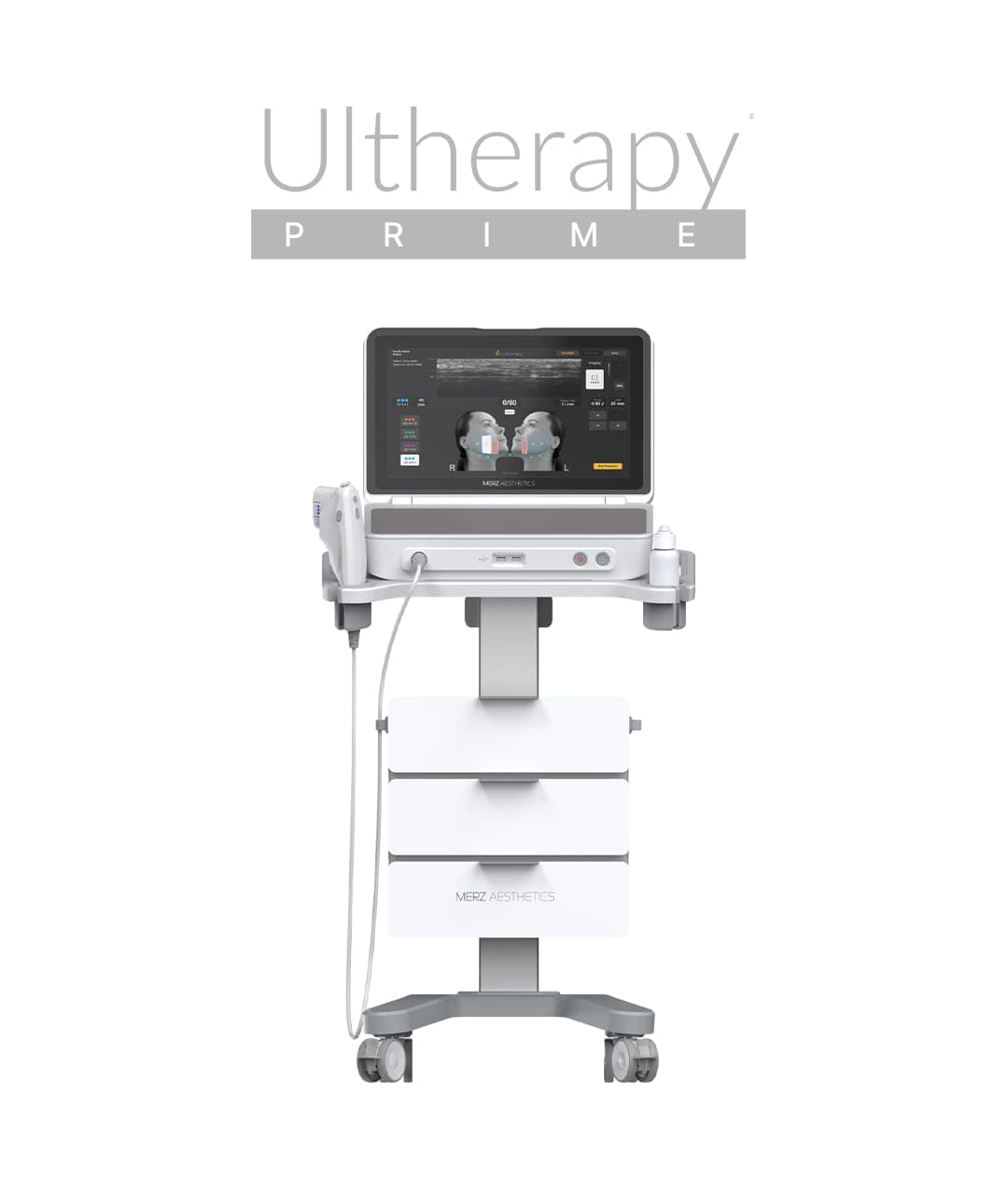
- Genuine devices and genuine tips. For devices such as Thermage FLX or Ultherapy PRIME, the tip or cartridge matters. Ask whether you can see the new tip opened and the shot count before and after.
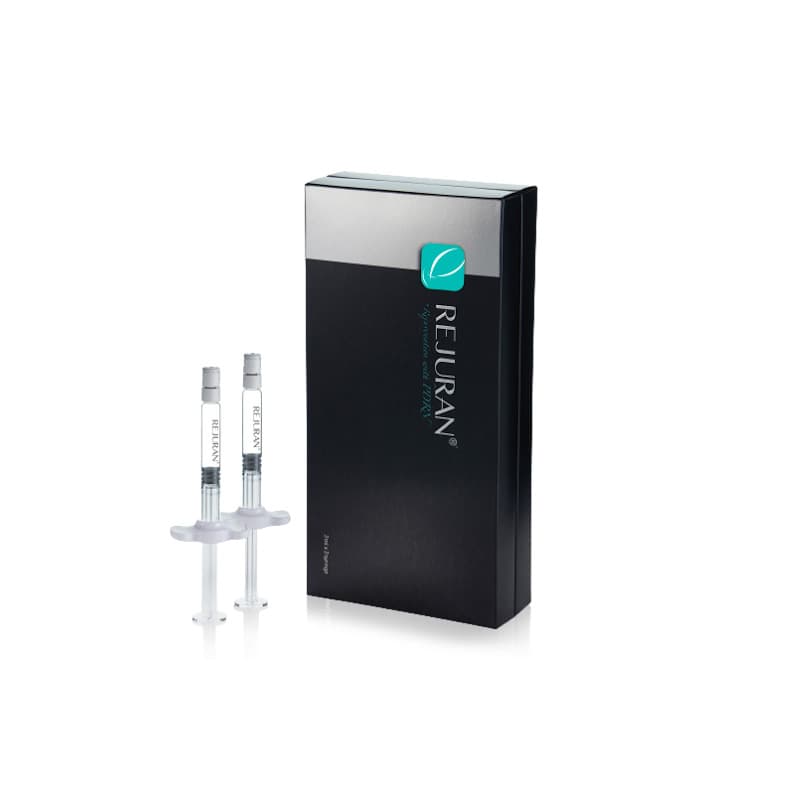
- Genuine products at the full dose. For Rejuran, Juvelook or Botox, ask to see the sealed box or vial before it is opened, check the authenticity label or QR code where there is one, and ask how many cc or units you are getting.
- A skin assessment, not just a menu. Pigmentation, for example, comes in several types that look alike and are treated differently.
- A clear quote. Ask whether VAT (10%) is included and what exactly is in a package.
- Aftercare for someone who is flying home. Ask how they follow up once you leave Korea.
- Honest “no”s. Ask what they would not recommend for you, and why. A clinic that never says no is a clinic to be careful with.
Red flags when booking a skin clinic in Korea
- The price for a well-known product or device is far below other clinics, with no shot count or dose stated
- You only meet a counselor, and the doctor appears for a few minutes during the procedure
- Pressure to buy a large package on the same day
- No mention of risks, downtime or who the treatment is not suitable for
- Before-and-after photos with different lighting, angles or makeup
None of these prove a clinic is bad. They are signs to ask more questions before you pay.
How a first visit goes at our clinic, step by step
- WhatsApp consultation before your trip. Send makeup-free photos in daylight and your main concern. You get my opinion and a price estimate before you book flights.
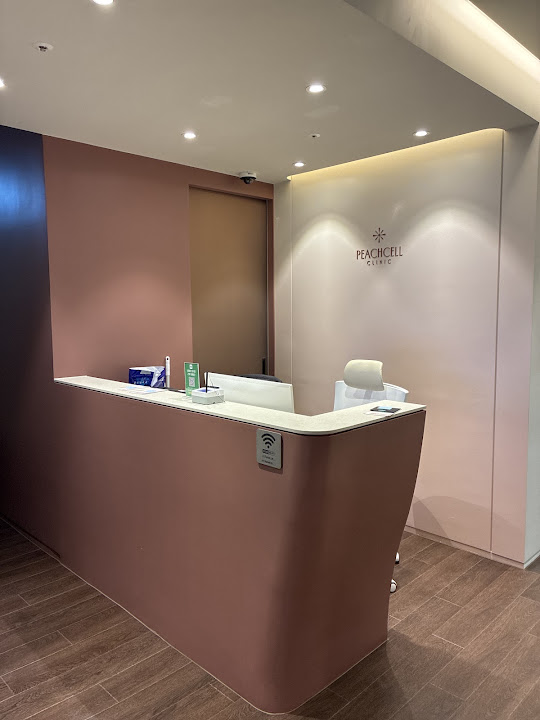
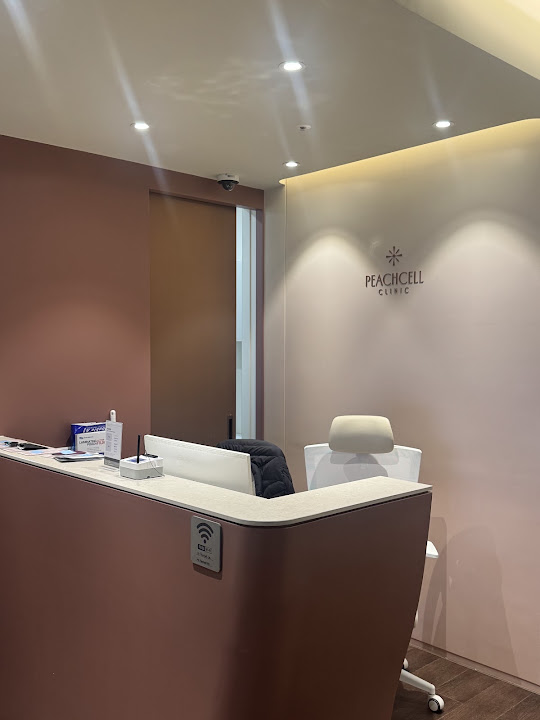
- Arrival. We are at 3F YK Tower, 121 Dosan-daero, Gangnam-gu, a short walk from Sinsa Station (Line 3 and the Shinbundang Line), near Garosu-gil. Parking in the building is free, with a ₩4,000 valet fee.
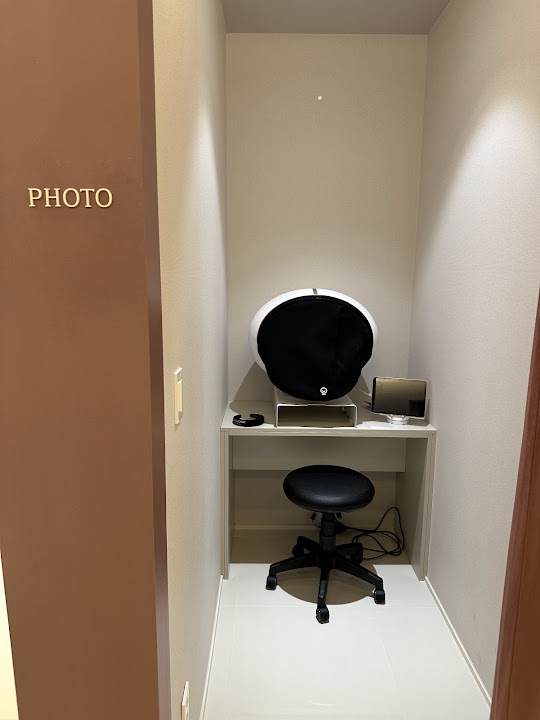
- EVE MUSE 3D skin analysis to map texture, pores, pigment and redness.
- Consultation with the treating doctor (me or Dr. Kwon Min-seong). We agree on the plan, the dose or shot count, and the price.
- Numbing where needed.
- Treatment in a private one-person room on the 2nd floor.
- Aftercare and follow-up, including after you fly home.
International patients see the doctor first, the same as Korean patients. I made a short video about this.
What skin treatments cost in Seoul (Peachcell prices, winter 2026)
To give you a realistic sense of cost, here are some of Peachcell’s listed prices in winter 2026. They are event prices that change, VAT (10%) is separate, and the final quote is confirmed after consultation.
| Treatment | Listed price (KRW) |
|---|---|
| Botox (Coretox), 1 wrinkle area | ₩39,000 |
| Rejuran Healer 2cc | ₩198,000 |
| Pigmentation one-day package (dual toning + whitening care) | ₩290,000 |
| Onda lifting 60kJ | ₩330,000 |
| Ultherapy PRIME 300 shots | ₩390,000 |
| Thermage FLX 600 shots | ₩2,380,000 |
See the full winter 2026 price list.
What changes the price anywhere in Seoul: the number of shots or kJ for devices, the cc or units for injectables, the brand of product, combinations, and whether the price includes VAT. When comparing quotes, compare these numbers, not just the headline price.
Which treatment for which concern
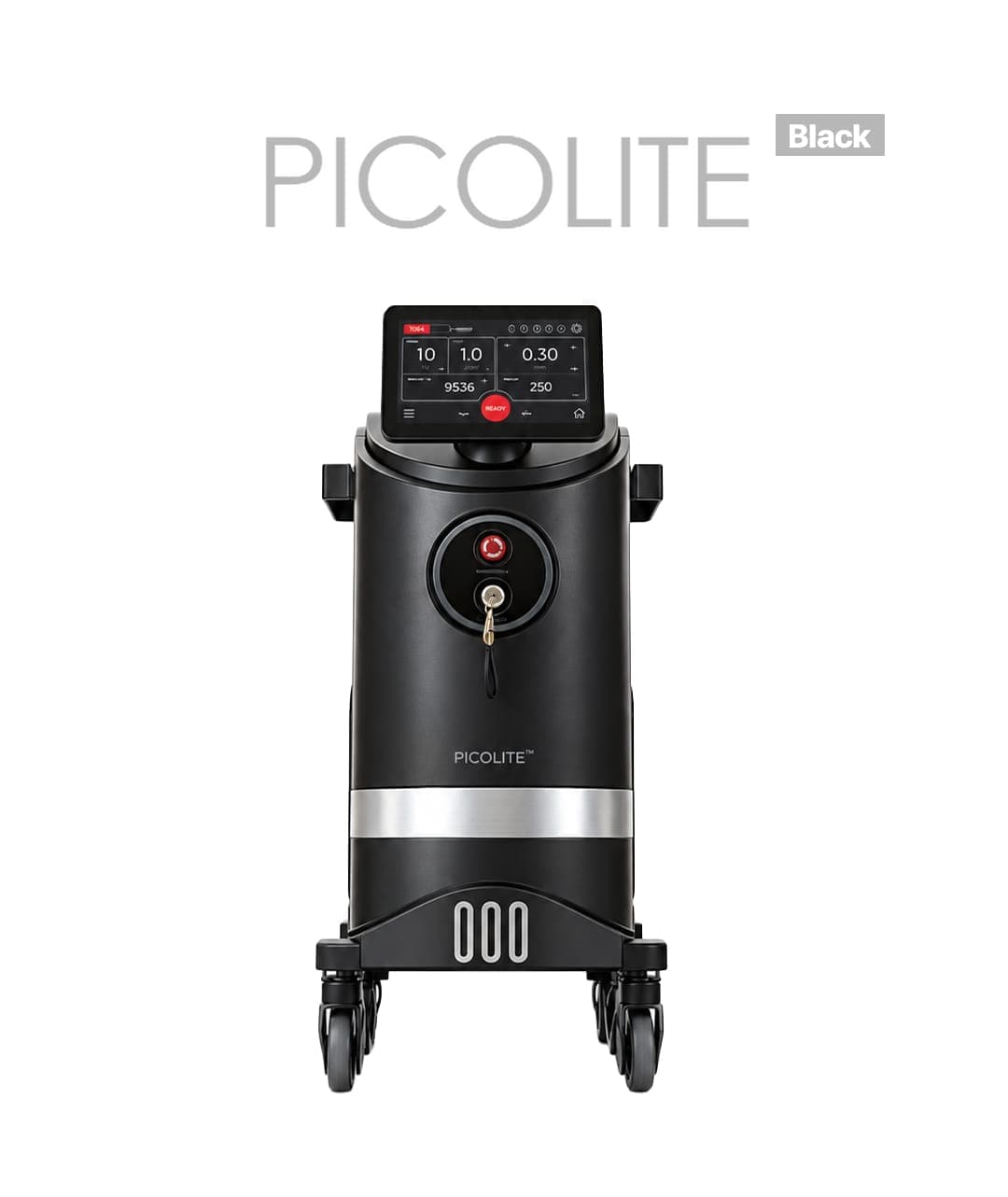
- Pigmentation, melasma, sun spots: pico laser and Accento N, chosen after the type of pigment is diagnosed. See our pico laser page.
- Dull, thin or tired skin: skin boosters such as Rejuran.
- Pores and acne scars: Juvelook, Sylfirm X, or both.
- Sagging and jawline: energy-based lifting such as Ultherapy PRIME, Thermage FLX, Onda or XERF. Which one depends on your face shape and skin thickness. See our Ultherapy PRIME page.
- Wrinkles and shape: Botox and fillers.
Many people arrive wanting a specific device they saw online. Sometimes it is the right choice. Sometimes a different treatment, or a smaller one, fits better.
Recovery and planning your Seoul trip
Typical recovery patterns, which vary from person to person:
- Laser toning: mild redness for a few hours; makeup is usually fine the next day.
- Skin boosters: small bumps for one to three days, possible bruising for up to about a week.
- Energy-based lifting: temporary warmth and swelling; washing and makeup are possible the same day for most people.
- Fillers: bruising and swelling can last one to two weeks; rare vascular complications are possible, which is one reason the injecting doctor’s experience matters.
Planning tips:
- Book treatments early in your trip, ideally day 1 or 2, so we can check you before you fly.
- For a first visit, allow about 2 hours at the clinic.
- Avoid alcohol, saunas and jjimjilbang for about a week after most treatments, and use SPF 50 every day.
- Our hours: Monday to Friday 10:00–20:00 (lunch 13:30–14:30), Saturday 10:00–16:00 without a lunch break, closed Sunday.
 0:59
Top 5 pigmentation concerns a dermatology clinic sees
Melasma, dark spots, freckles and age spots look alike but are treated differently.
Watch on YouTube 0:13
International patients still see the doctor first
Every first visit includes a consultation with Dr. Ha, whatever language you speak.
Watch on YouTubeBefore & after
Cases published by Peachcell Clinic on its website and official Instagram. Results vary by individual, and swelling, bruising or other side effects can occur. Your plan is decided after a consultation with the doctor.
Frequently asked questions
Do I need a referral to see a skin clinic in Seoul?
No referral is needed for an aesthetic skin clinic. Booking ahead is strongly recommended, especially if you are visiting for a short time.
Is a skin clinic in Seoul the same as a dermatologist?
Not always. Board-certified dermatologists have specialist training; many aesthetic skin clinics are run by licensed doctors who focus on lasers, lifting and injectables. For a medical skin condition, see a dermatologist or university hospital.
How many days do I need in Seoul for skin treatment?
Many treatments are done in one visit. I suggest treating on day 1 or 2 of your trip and leaving a few days before your flight so we can check you if needed.
How do I know a clinic uses genuine products?
Ask to see the sealed box or vial before it is opened, check the authenticity label or QR code where available, and ask for the exact dose or shot count in writing.
Can I consult before I arrive in Korea?
Yes. At Peachcell you can send photos on WhatsApp for a free online consultation, and get the doctor’s opinion and a price estimate before you book.
Results vary by individual. Every treatment plan is decided after an in-person consultation with the doctor.
Talk to the doctor before you choose a clinic
Send a few makeup-free photos and your main concern on WhatsApp. I’ll give you my honest opinion on what would help, what wouldn’t, and an estimated price, before you book flights. The consultation is free, our team replies in English.
- Free online consultation on WhatsApp
- The doctor who treats you reviews your photos
- Price estimate before you book, VAT explained
- Private one-person treatment rooms

Dr. Ha Chang-ik
Representative Director, Head Doctor
Dr. Ha Chang-ik is the Representative Director and head doctor of Peachcell Clinic. He graduated from Korea University College of Medicine and has served as a director at clinics in Seoul and Jeju, including the skin center at Cheongdam OK Plastic Surgery.