
Chin filler uses a firm hyaluronic acid gel to bring a short or receding chin forward, add a little length, or refine its shape. It is one of the most searched filler treatments in the US because the chin has a large effect on the side profile, the jawline and how the lips and nose look.
A small chin can make the lips look like they stick out, the nose look bigger, and the neck and jaw blend together. Adding a few millimeters at the right point often changes the whole profile without touching the nose or lips.
At Peachcell in Gangnam, Dr. Ha designs the chin with you and injects it himself. This page covers who chin filler suits, how much is usually needed, how long it lasts, the risks, and how to plan chin filler in Korea around a short trip.
How it works
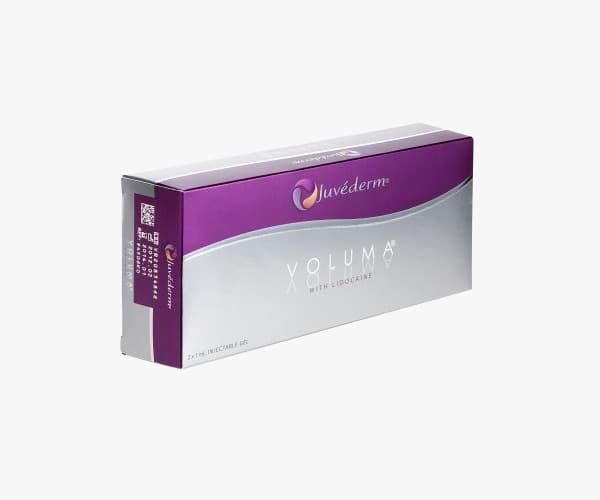
The chin needs a firm, cohesive filler that holds its shape against muscle movement, such as Juvéderm VOLUMA. Softer lip fillers spread too easily for this area. The filler is placed deep, close to the bone, where it acts like a small, adjustable implant.
The doctor first studies your face from the front and side: where the chin point should sit in relation to the lips and nose, how long the lower face is, and how wide the jaw is. Then the filler goes in small amounts at planned points to build forward projection, length or a softer tip.
Design differs by goal. Many Korean patients want a slightly longer, gently tapered chin for a V-line front view. Many American patients want more forward projection for a stronger side profile. Neither is a standard; the plan follows your face and what you want.
Most people need somewhere between 1 and 3cc, decided at the consultation. The result is visible right away, settles over 1–2 weeks as swelling goes down, and can be adjusted or dissolved later if needed.
Who it suits
- A short or receding chin
- Lips that look protruding in profile because the chin sits back
- A soft or undefined jawline at the front of the face
- Wanting a V-line front view with a slightly longer chin
- A flat or slightly uneven chin tip
- Trying the look of a stronger chin before considering surgery
When another option fits better
- A double chin from fat under the jaw: filler cannot remove fat. Onda reduces fat and tightens, and can be combined with chin filler.
- A wide lower face from strong chewing muscles: jaw Botox slims the masseter more effectively.
- A jawline blurred by sagging: Ultherapy PRIME lifts first; filler alone can look heavy on a drooping face.
- A large bone deficiency or bite problem: this may need a surgical opinion, and Dr. Ha will tell you so honestly at the consultation.
Dr. Ha’s note
Chin filler is one of the treatments where design matters more than product. I look at the whole lower face first: the lips, the nose, the jaw width and the length from nose to chin. A chin that is too long or too pointed looks artificial quickly, so I build it in small steps and check from the side as I go. I design and inject every chin myself, with genuine Juvéderm at the full amount on the syringe. If the chin muscle tightens and dimples when you close your mouth, I may suggest a little Botox there as well, because it helps the filler sit smoothly. And if your real concern is fat under the jaw, I will tell you filler is not the answer.
Aftercare
- Bruising and swelling can last 1–2 weeks. Most is gone much sooner, but plan photos and events with that in mind.
- Don’t press, squeeze or massage the treated area unless the doctor tells you to.
- Avoid saunas, jjimjilbang (Korean bathhouses) and swimming pools for one week.
- Avoid smoking and alcohol for one week to lower the risk of infection and inflammation.
- Sleep on your back for the first few nights if you can.
- Vascular complications are very rare. If the skin turns white, gray or blotchy purple, if pain keeps getting worse, or if your vision changes, contact the clinic immediately, any time.
- Avoid resting your chin on your hand or wearing a tight chin strap or face mask band for the first week.
Genuine products we use
You can ask to see the sealed box and the product label before your treatment.
Before & after
Cases published by Peachcell Clinic on its website and official Instagram. Results vary by individual, and swelling, bruising or other side effects can occur. Your plan is decided after a consultation with the doctor.
Winter 2026 · Prices
- ₩3,090,000VAT separate
Unlimited Juvéderm filler
Up to 10cc
Winter event prices are valid until 30 November 2026. All prices are in Korean won (KRW) and do not include 10% VAT. See the full price list
Frequently asked questions
How much does chin filler cost in Korea at Peachcell?
Single-area filler prices are not on Peachcell’s winter 2026 menu. The cost depends on the product (Juvéderm or Rejuviel V) and how many cc you need, so the doctor quotes it after the consultation. The menu does list unlimited Juvéderm filler (up to 10cc) at ₩3,090,000. Send us a WhatsApp message with photos for an estimate. Prices are event-based and VAT (10%) is separate. See the full winter 2026 price list.
How many cc of chin filler do I need?
Most people need between 1 and 3cc. A small refinement of the tip needs less; bringing a receding chin forward or adding length needs more. The doctor measures your profile at the consultation and tells you the amount before starting.
How long does chin filler last?
Because firm filler is placed deep near the bone, chin filler often lasts around a year or longer. It varies by product, amount and the person. Some people top up with a smaller amount later.
Is chin filler safe? What if I don’t like it?
Common side effects are swelling, bruising and tenderness. Lumps or asymmetry can happen and can usually be adjusted. The serious but rare risk is vascular occlusion, when filler blocks a blood vessel. Warning signs are blanching, dusky color or pain that gets worse. Hyaluronic acid filler can be dissolved with an enzyme called hyaluronidase, which is used both to correct shape and urgently if a vascular problem is suspected. So if the shape is not right, it can be adjusted or removed.
Can I get chin filler and fly home a few days later?
Yes. Flying does not affect the filler. Swelling is usually mild by day 2–3. We suggest booking early in your trip so you can come back for a quick check, and asking for the product box and syringe label so you know exactly what was used.
Results vary by individual. Every treatment plan is decided after an in-person consultation with the doctor.