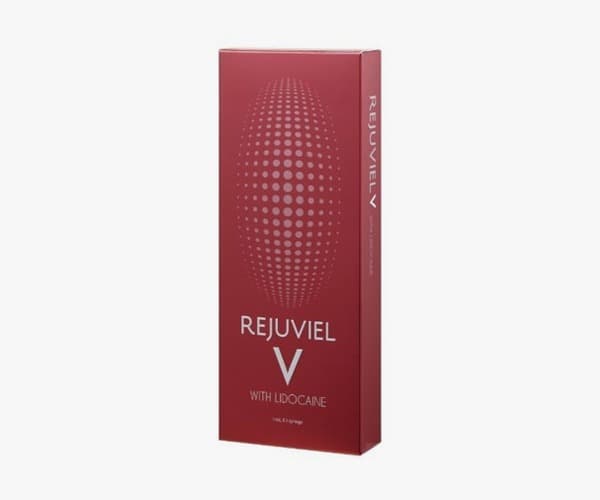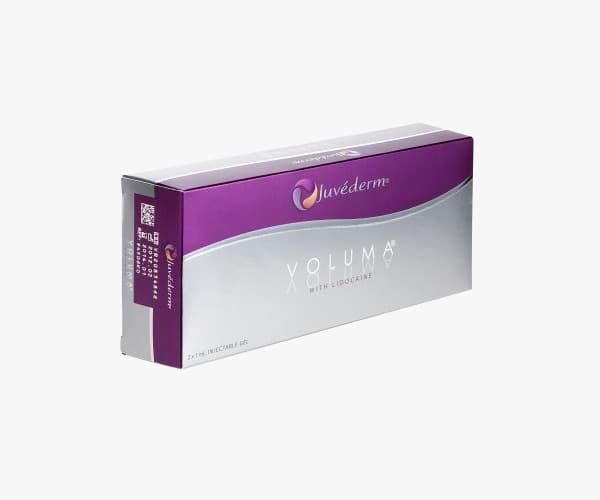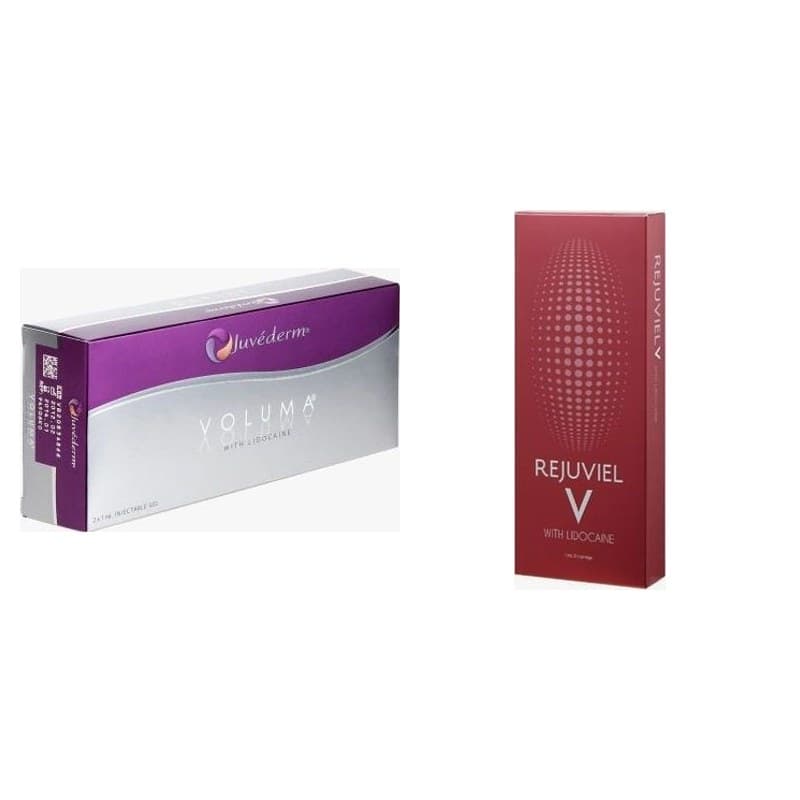


Weighing Korean filler vs Juvederm, and worried that a brand you've never heard of means more risk for your face?
Read this before you choose a syringe.
You'll know what decides the cost, what reviews claim and what holds up, how recovery goes, and what really differs between the products, so you can choose for your face and your budget.
Hello, I'm Dr. Ha Chang-ik, Representative Director and Head Doctor at Peachcell Clinic in Sinsa, Seoul. I'm Academic Director of the Korean Society of Filler Medicine and lecture other doctors on fillers.
At Peachcell, the doctor designs every filler treatment around your face shape and injects it personally, using only genuine, approved products at the full dose. On WhatsApp, the team replies in English.
I wrote this because people put a lot of thought into the brand and much less into the two things that shape most of how filler looks: which gel goes into which layer, and how much.
Juvederm and Korean hyaluronic acid (HA) fillers are the same class of gel. Both come in soft and firm versions, both can be dissolved, and the gap between a soft lip gel and a firm chin gel inside one brand is wider than the gap between brands.
If you're unsure which product suits you, take two photos in daylight, one straight on and one at a 45-degree angle, and send them on WhatsApp with the name of any filler you've had before. Filler that's still there changes how much new gel makes sense.
What actually differs between Korean HA fillers and Juvederm
The base is the same. Both are hyaluronic acid, crosslinked so the gel lasts months instead of days, and many products in both groups contain lidocaine to dull the sting.
Approval. Juvederm is a family of HA fillers made by Allergan, and several of its products are approved by the US FDA for specific areas. Korean HA fillers are reviewed and approved in Korea by the Ministry of Food and Drug Safety (MFDS). The FDA keeps a public list of fillers approved in the US, and most Korean brands are not on it. That tells you where a product was reviewed. If a product has neither approval, keep it away from your face.
Crosslinking. Juvederm uses its own crosslinking technologies (Hylacross and Vycross), and Korean manufacturers use their own methods. The method changes three things you can feel: how firm the gel is, whether it holds together or spreads, and how much water it draws in after injection.
Track record. Juvederm products went through large US trials for their approvals, so there is a long published record in English. Korean products are newer to that literature outside Korea, which matters if you value long-term data.
How long either lasts comes down to the product, the area and your own metabolism. The American Academy of Dermatology describes HA filler results lasting from months to over a year.
Which gel suits which area of your face?
In short, this is the comparison that changes results. Either family has a product for most rows:
| Area | What the gel needs to do | What I check first |
|---|---|---|
| Lips | Stay soft and move with speech | Upper-to-lower balance; not overfilling |
| Chin | Stay firm and hold projection | Side profile and the chin muscle |
| Mid-cheek | Support from deep on the bone | Whether flatness is volume loss or sagging |
| Nasolabial folds | Medium firmness | Whether cheek support softens them first |
| Temples | Spread evenly under thin skin | Injection depth near blood vessels |
For the chin, our chin filler guide covers projection and length; for lips, lip filler in Korea covers the soft Korean look.
The question worth asking at a consultation is “which product for this area, and why that one?” A good answer names the gel's firmness and depth before the brand.
In consultation I'll tell you when a gentler option fits your face better, and with filler that usually means less product than people expect. A face in its fifties tends to read fresher with support at two or three points than with volume everywhere. Push enough into the cheeks to lift jowls and the face gets heavier, which is how “pillow face” starts. If what bothers you is crepey texture rather than lost volume, a booster such as Rejuran Healer or Juvelook fits better than filler.
Is Juvederm safer than Korean filler?
The serious complications of filler come mostly from where and how the gel is placed. The FDA warns that filler injected into a blood vessel can block blood flow, damaging skin and, rarely, causing vision problems. That risk applies to every brand, including in the lips, which is why “vascular occlusion lip filler” is such a common search.
Any HA filler from an approved maker can be dissolved with an enzyme called hyaluronidase. That matters for emergencies and for corrections, and it holds for Korean HA fillers and Juvederm alike.
You can ask to see the box before injection, and a doctor who knows the facial blood vessels by depth matters more than the brand name. The list of fillers I offer, from lips and chin to forehead and cheeks, is on our English site.
What decides the cost of your filler plan?
Korean filler vs Juvederm is one line on the quote, not the whole of it. The figure moves with:
- Product line. The brand and the specific gel chosen for each area.
- Amount. How many syringes or cc your face needs, which the photos and the exam narrow down.
- Number of areas. Cheeks alone is a different plan from cheeks, chin and lips.
- Combinations. Adding botulinum toxin or a skin booster in the same visit changes the total.
Ask on WhatsApp what it would cost for your case, naming the areas and whether you'd prefer a particular brand.
What do filler reviews claim, and what holds up?
“Korean filler migrates.” Migration has more to do with amount, depth and a gel too soft for the area than with the country of manufacture.
“Juvederm lasts longer.” Some Juvederm gels are designed for long wear, and so are some Korean gels. Area matters more: lip filler breaks down faster than chin filler because lips move all day.
“Lip filler gone wrong.” Lumps, overfilled lips and, rarely, blocked vessels are the usual stories. They trace back to placement and volume, which is why the injector's technique is worth more of your attention than the box.
Recovery: swelling, bruising and your flight home
Lips swell the most, usually peaking in the first couple of days and settling within a week or two. Cheeks and chin swell less. Bruising is common at injection points; a review on minimizing bruising notes that aspirin, other anti-inflammatory painkillers, fish oil and vitamin E can raise it. If any of those are prescribed, ask the prescribing doctor before stopping them.
Say you're 54, your mid-cheeks have flattened, the lines beside your nose look deeper than they did five years ago, and you're in Seoul for a week. I'd start with the cheeks, using a firm gel placed deep, then look at the folds again before adding anything there, because cheek support often softens them. I'd place the injections early in the week so swelling and bruising settle and you see your face at rest before you fly. Lips and chin can wait for another visit.
Send your travel dates and the areas you want to change on WhatsApp, and ask how much product makes sense for a first session.
Risks and side effects to know
Temporary reactions are common: swelling, bruising, tenderness and small lumps you can feel under the skin for a few days.
As general medical caution, wait or skip filler if:
- there's an infection, a cold sore or inflamed acne near the area
- you're pregnant or breastfeeding
- you've reacted to an HA filler or to lidocaine before
- an autoimmune condition is flaring
After you fly home, skin that turns pale or blotchy purple, severe pain, or any change in vision in the hours after injection needs emergency care right away. A hot, red, painful lump days or weeks later needs a doctor locally without delay. Bring the product name, so any doctor knows it is HA. The US CDC advises planning follow-up care at home before medical travel; you can also send photos on WhatsApp.
The free online consultation on WhatsApp is open before you book anything, and one question is enough to start: which product would you use for my cheeks, and why that one? When you come in, the doctor who plans your filler examines your face and recommends the gel and the amount for each area.
Results vary by individual, and the treatment plan is decided after your skin is assessed in person.
Sources
Before & after
Cases published by Peachcell Clinic on its website and official Instagram. Results vary by individual, and swelling, bruising or other side effects can occur. Your plan is decided after a consultation with the doctor.
Frequently asked questions
Can I ask for Juvederm at a Korean clinic?
You can ask any clinic which brands it stocks. At Peachcell, ask on WhatsApp which product would be planned for each of your areas before you book.
Are Korean fillers approved by the US FDA?
Most Korean HA fillers are not on the FDA's list of approved fillers. They are approved in Korea by the Ministry of Food and Drug Safety. The FDA list shows which products went through US review.
Can Korean HA filler be dissolved like Juvederm?
Yes.
Which lasts longer, Korean filler or Juvederm?
It depends on the specific gel and the area more than the brand family. Firm gels in low-movement areas like the chin last longer than soft gels in the lips.
Will my doctor at home be able to manage a Korean filler?
Bring the product name and the areas treated. Because it is hyaluronic acid, a doctor at home can assess it and, if needed, dissolve it the same way as any HA filler.
Results vary by individual. Every treatment plan is decided after an in-person consultation with the doctor.
Send a front and 45° photo on WhatsApp
Message us on WhatsApp with a few makeup-free photos, your main concern and your travel dates. Dr. Ha's team replies in English with which treatment fits and what to plan for, before you book anything.
- Free online consultation on WhatsApp
- A doctor's view of your skin before you book
- A doctor, not a sales counselor, consults you

Dr. Ha Chang-ik
Representative Director, Head Doctor
Dr. Ha Chang-ik is the Representative Director and head doctor of Peachcell Clinic. He graduated from Korea University College of Medicine and has served as a director at clinics in Seoul and Jeju, including the skin center at Cheongdam OK Plastic Surgery.