

Bought a Korean PDRN pink collagen jelly mask, liked how plump your skin looked the next morning, and now wonder whether it does anything close to the salmon-DNA injections people book in Seoul?
If a Rejuran appointment is creeping onto your Seoul itinerary because a jar made you curious, start with the part about what a cream can physically reach.
This covers what PDRN and PN are, which review claims hold up, how the injected version is done and how many days of small bumps to plan for. That's enough to decide between staying with the jar, booking a booster, or looking at a different treatment altogether.
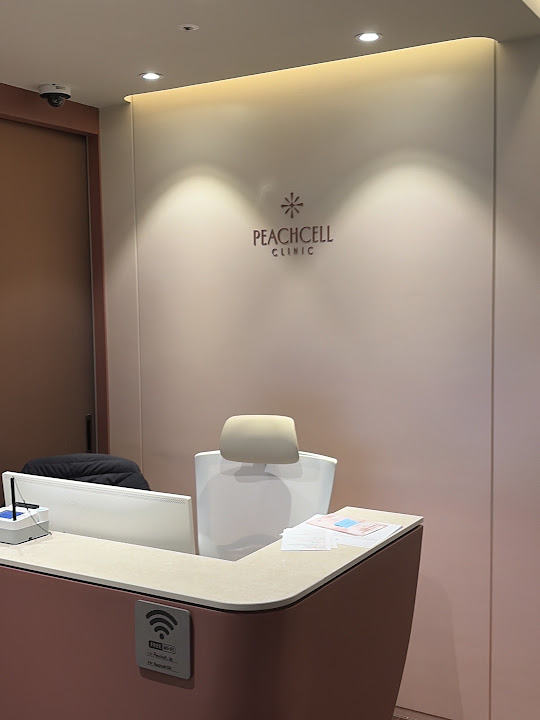
Hello, I'm Dr. Ha Chang-ik, Representative Director and Head Doctor at Peachcell Clinic in Sinsa, Seoul. I'm also a medical advisor to PharmaResearch, the Korean company that makes Rejuran, so you should know where I stand before I talk about it.
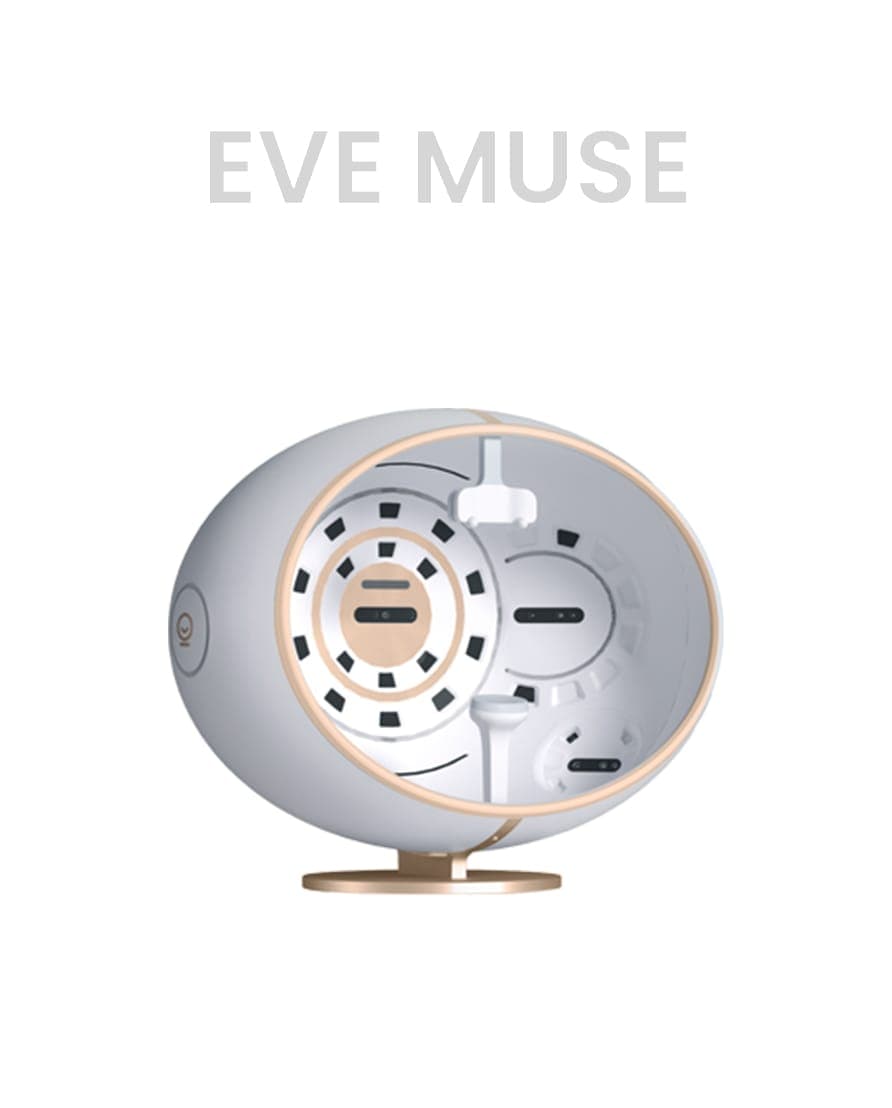
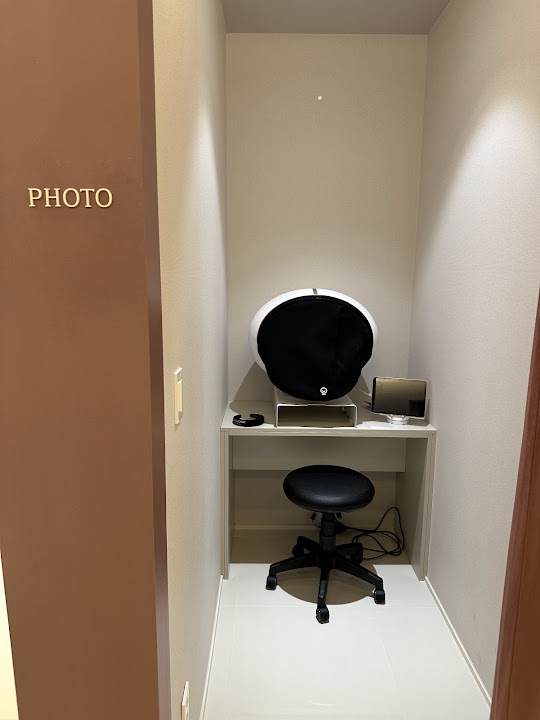
Every first visit at Peachcell starts with a 3D skin analysis on EVE MUSE, then a consultation with the doctor who does the treatment, not a sales counselor. Korean and international patients pay the same price, and a medical interpreter for your language is provided at no extra charge.
The common mix-up is assuming that PDRN printed on a cosmetic label works the way PN or PDRN does when it's placed in the skin with a needle.
Korean PDRN pink collagen products are moisturizers. They can leave skin smoother and better hydrated for a while, but DNA fragments and collagen are far too large to pass through intact skin. Injected PN, such as Rejuran Healer, sits in the dermis, and that's where the studied effects on skin quality come from.
If you're unsure which group your skin falls into, use the free online consultation on WhatsApp: send one daylight photo of your cheeks and the name of the product you use now, and ask whether your concern is one a booster addresses at all. The team replies in English.
What is PDRN, and how is it different from PN?
Both start as the same raw material: DNA purified from salmon or trout and cut into fragments. The difference is length. PDRN (polydeoxyribonucleotide) is made of shorter fragments, and much of its research comes from wound healing, where it acts on adenosine A2A receptors involved in tissue repair.
PN (polynucleotide) keeps longer chains. Those chains form a gel that holds water and gives skin cells a scaffold to work on. A review in Pharmaceutics comparing the two describes this split: PDRN mainly as a signal for repair, PN mainly as a hydrating, structural material.
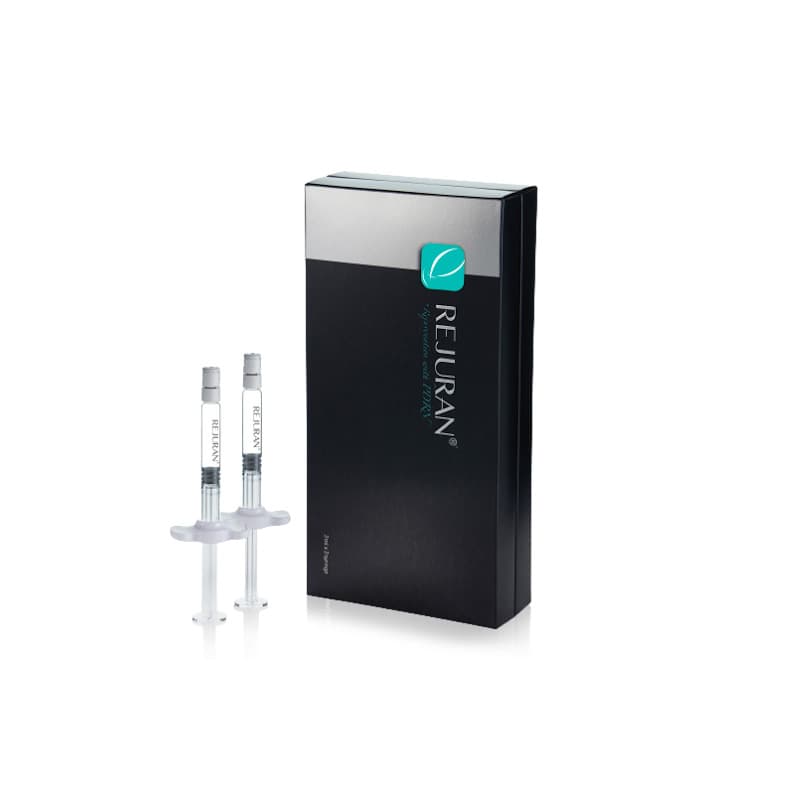
Rejuran Healer, the PN injection on our menu for thin, dull, tired-looking skin, belongs to the second group. When a shop sells “PDRN” in a serum or a pink jelly, it's borrowing the name of an ingredient whose evidence comes almost entirely from injections and wound care.
Why a cream stops at the surface
The outer layer of your skin exists to keep things out. Dermatologists often quote the “500 Dalton rule” from Bos and Meinardi in Experimental Dermatology: molecules much larger than about 500 daltons barely get through healthy skin. DNA fragments and collagen proteins are many times that size.
So what is the pink jelly doing? It holds water on the surface, softens the outer layer and can make dryness lines less visible for the evening. Collagen in a cream works the same way, as a film that keeps moisture in; it doesn't turn into your own collagen.
That's a real benefit for dry skin, and I wouldn't tell anyone to throw the jar out. It's simply a different tool from an injection, with a different ceiling.
What do Korean PDRN reviews get right and wrong?
Search “dr Korea pdrn reviews” or any Korean PDRN pink collagen thread and three claims keep coming up.
“My skin looked glassier the next day.” True, and expected from any rich, water-holding mask. The effect fades over a day or two unless you keep using it.
“It's like Rejuran in a jar.” Not true. The same word on the label doesn't mean the same layer of skin or anything like the same amount.
“It broke me out.” Possible. Thick, occlusive textures can clog pores in acne-prone skin, and fish-derived ingredients can irritate some people. Patch-testing a new product on the jawline for a few days tells you more than any thread.
How the injected version is done
With a fine needle, small amounts of PN gel are placed across the treated area, usually after numbing cream. Each point leaves a small raised bump, which is the gel itself and flattens as it spreads. The detailed steps, amounts and number of sessions are covered in our Rejuran Healer guide to cost, procedure and recovery.
PN isn't the only booster, and the right one follows the cause. These are the options on our menu that people weigh against each other:
- Rejuran Healer (PN) for thin, dull, tired-looking skin
- Juvelook (PDLLA with hyaluronic acid) for pores, texture, fine scars and mild hollows
- GOURI (liquid PCL) for overall firmness and mild hollows
- Hilowave for under-eye hollows and mild volume with skin quality
Sometimes the honest answer is that no booster fits. Brown spots and melasma respond to light energy, which our post on pico laser for melasma and dark spots in Korea explains. A jawline that's starting to drop is a lifting question, compared in Ultherapy PRIME vs Thermage FLX in Korea. Thin lips need volume, which is what lip filler in Korea does and PN doesn't. The full treatment list is on the Peachcell Clinic English site.
Say you're 32, your skin feels tight and looks grey by mid-afternoon in winter, fine lines show under your eyes when you smile, and the jelly mask helps for about a day. That pattern of thin, dehydrated skin without sagging is where I'd consider PN. If the same photo showed jowls forming, I'd tell you a booster alone would feel weak and talk about lifting instead.
I try most treatments on my own face before offering them, and I'd sooner tell you a booster won't help than sell you one. If your photo shows that what bothers you is pigment or lost volume, PN is the wrong tool. In that case the cream you already like may be all the “PDRN” your skin needs.
Recovery: what the first days look like
The bumps from injected PN usually flatten within a day or so. Redness and mild swelling at the points tend to settle on a similar timeline, and a small bruise, if you get one, can take several days to fade. The systematic review of polynucleotides in the Journal of Cosmetic Dermatology describes side effects across the studies as mostly mild and temporary.
For a trip, the practical point is timing. Put the treatment early in your stay, not the evening before a wedding or a photo shoot. Skip saunas, alcohol and hard workouts for the rest of that day, and wait until the injection points have closed before makeup or a sheet mask. Flying home afterward is generally fine.
If your dates are already fixed, send them on WhatsApp along with the one evening you want to look presentable, and ask which day of the trip leaves enough room for the bumps to settle.
Who should wait or skip it
Risks and side effects to know
Common and temporary: raised bumps, redness, tenderness and pinpoint bruises, lasting from a few hours to several days. Less common: small lumps that take longer to soften, or an infection at an injection point, which needs prompt treatment.
As general medicine, these are reasons to wait or skip:
- an allergy to fish or salmon, since PN and PDRN are fish-derived
- pregnancy or breastfeeding
- an active infection, cold sore or breakout in the area
- a peel or laser on the same skin in the past couple of weeks
- isotretinoin taken recently, or blood thinners (mention them so the doctor can weigh bruising)
Once you're home, redness that spreads, warmth, pain that gets worse after day two, or a fever means seeing a local doctor promptly. Send a photo on WhatsApp too. We follow your progress after the procedure; ask before booking how that works once you've flown back. How long bumps last and how skin responds differs from person to person, and the in-person exam decides whether PN suits you.
What moves the cost of a booster
Four things move it: which product fits your skin, how much is used (a full face takes more than the under-eyes), how many sessions the plan has, and whether it's combined with a laser or lifting on the same visit. Korean and international patients pay the same price at Peachcell, and the deposit and payment method are settled after the consultation.
Ask on WhatsApp what it would cost for your case, with a photo of the area that bothers you.
When you come, the first thing I look at is your EVE MUSE scan next to how your skin looks in the room, to see whether the problem is thin, dehydrated skin, pigment or volume, because each points to a different treatment.
The free online consultation on WhatsApp is in English: send a side-lit photo of your cheeks with the name of the cream you use, and ask whether a booster would add anything to what the jar already does.
Results vary by individual, and the treatment plan is decided after your skin is assessed in person.
Sources
Frequently asked questions
Can I keep using a PDRN cream after a PN injection?
Usually yes, once the injection points have closed, which is often the next day. Until then keep the area clean and skip masks and actives. A rich cream won't add much on top of the injection, but it won't undo it either.
Is PDRN vegan or fish-free?
PDRN and PN used in skincare and injections are generally made from salmon or trout DNA. If you avoid fish products or have a fish allergy, check the label of any cream and mention it at consultation before an injection.
Is PDRN from a Korean pharmacy stronger than what's sold abroad?
A product bought at a Korean pharmacy or drugstore is still a topical product, so the size limit on what passes through skin applies to it too. Injectable PN and PDRN are given by a doctor in a clinic, not sold over the counter for home use.
Is PDRN good for dry skin?
As a cream, it can help dry skin feel softer because it holds water on the surface, much like other humectants. If dryness comes with thin, crepey-looking skin that creams no longer improve, that's the point where an in-clinic booster is worth discussing.
How many PN sessions would a short trip allow?
PN is often planned as a short series spaced a few weeks apart, so a single trip usually fits one session. Ask on WhatsApp whether one session makes sense for your skin or whether it's better timed with a later visit.
Results vary by individual. Every treatment plan is decided after an in-person consultation with the doctor.
Send a daylight photo of your cheeks on WhatsApp
Message us on WhatsApp with a few makeup-free photos, your main concern and your travel dates. Dr. Ha's team replies in English with which treatment fits and what to plan for, before you book anything.
- Free online consultation on WhatsApp
- A doctor's view of your skin before you book
- A doctor, not a sales counselor, consults you

Dr. Ha Chang-ik
Representative Director, Head Doctor
Dr. Ha Chang-ik is the Representative Director and head doctor of Peachcell Clinic. He graduated from Korea University College of Medicine and has served as a director at clinics in Seoul and Jeju, including the skin center at Cheongdam OK Plastic Surgery.