
Hoping a Korean acne treatment can calm your breakouts in the week or two you have in Seoul, but unsure whether it's real medical care or a nicer face wash with good marketing?
Read this before you fit clinic visits into your trip.
You'll know what the clinic methods actually do, which review claims hold up, and what decides the cost, so you can judge whether a short trip suits your skin and your budget.
Hello, I'm Dr. Ha Chang-ik, Representative Director and Head Doctor at Peachcell Clinic in Seoul.
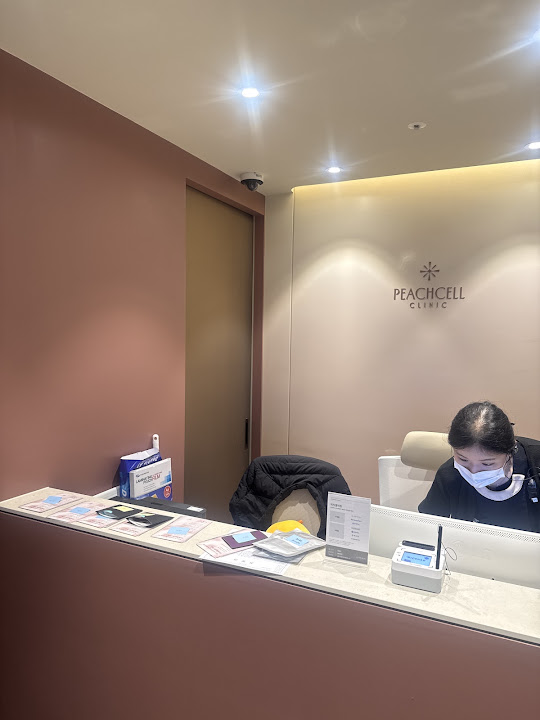
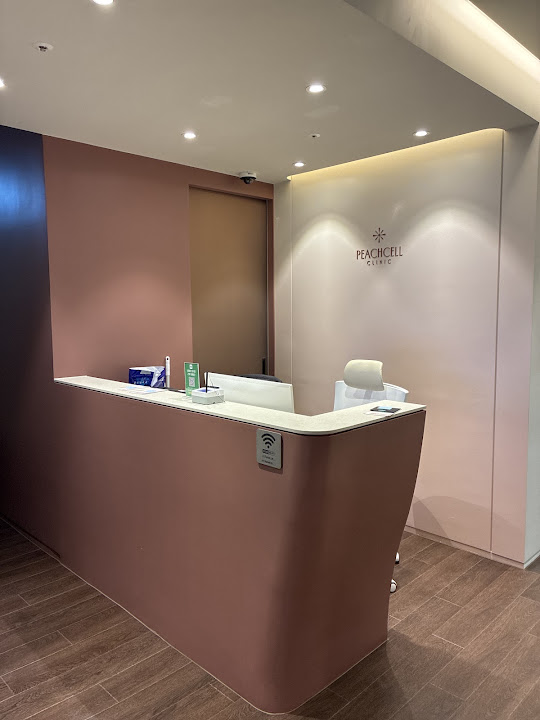
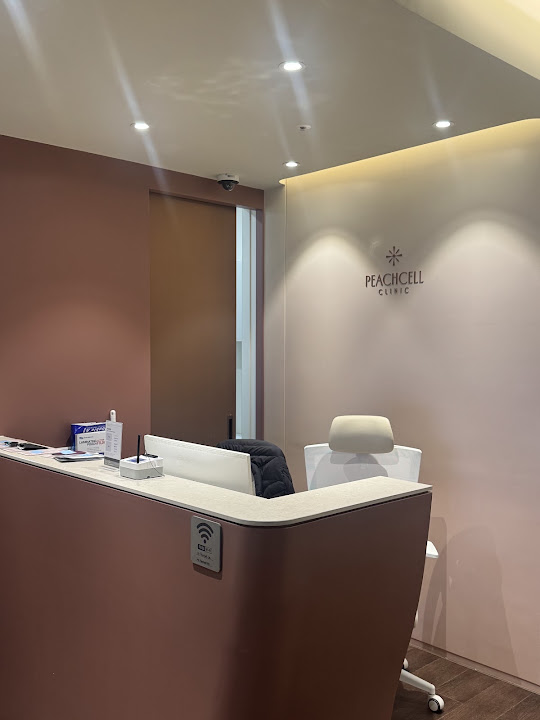
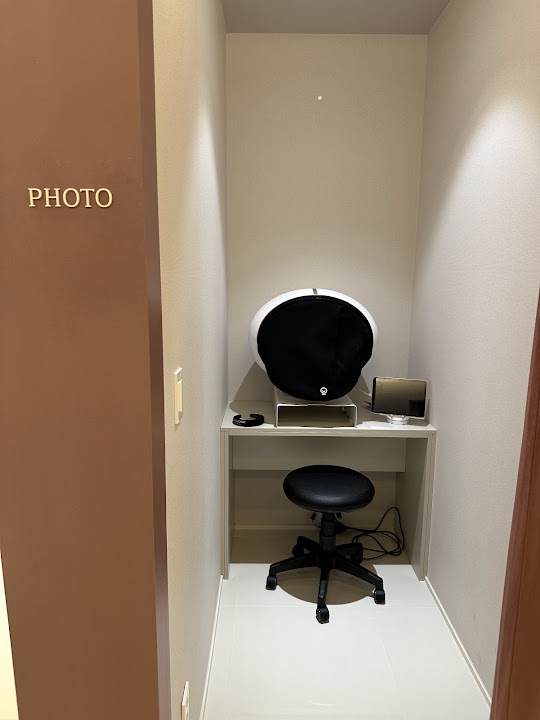
At Peachcell, every first visit starts with a 3D skin analysis on EVE MUSE, followed by a consultation with the doctor who does the treatment, not a sales counselor. Korean and international patients pay the same price, and the clinic is a minute from Exit 8 of Sinsa Station.
I'm writing this because many people fly in expecting one laser session to stop breakouts for good, and active acne rarely behaves that way.
In a clinic, Korean acne treatment means in-office procedures such as peels, lasers and gold PTT, used alongside home care to calm active breakouts and limit scarring. Scar work, such as microneedle radiofrequency, comes once the skin is quieter. It suits mild to moderate acne and acne marks well, and it works as a series more than as a single visit.
If you're not sure which group your skin falls into, send two daylight photos on WhatsApp (front and one side, no makeup) with a list of what you put on your face now, and ask whether your trip is long enough for breakouts, scars, or both.
What is Korean acne treatment, and how is it different from a K-beauty routine?
Most searches around this topic are about products: a Korean face wash for acne-prone skin, a spot treatment, an exfoliator for scars. Those are skincare. They can help keep pores clear and skin less irritated, and for mild acne that may be enough.
Acne itself starts deeper. An oil gland makes sebum, dead skin cells plug the pore, bacteria multiply inside the plug, and the area becomes inflamed. Hormones drive much of this, which is why adult breakouts often cluster on the chin and jaw. Clinic treatment aims at those steps: less oil, fewer plugs, and calmer inflammation before it damages the skin around it.
So think of a K-beauty routine as maintenance, and an acne clinic as the place you go when the routine stops working or breakouts start leaving marks. The American Academy of Dermatology's advice for acne-prone skin still applies after any procedure: wash twice a day and after sweating, use products that don't irritate, and don't scrub or pick, because both inflame the skin further (AAD skin care tips for acne-prone skin).
Methods: what does a clinic actually do for acne?
The acne menu I work with uses gold PTT, lasers and peels to calm breakouts and limit scarring. Each one works on a different step.
- Peels loosen dead skin and clear clogged pores. They help with blackheads, small bumps and congested texture.
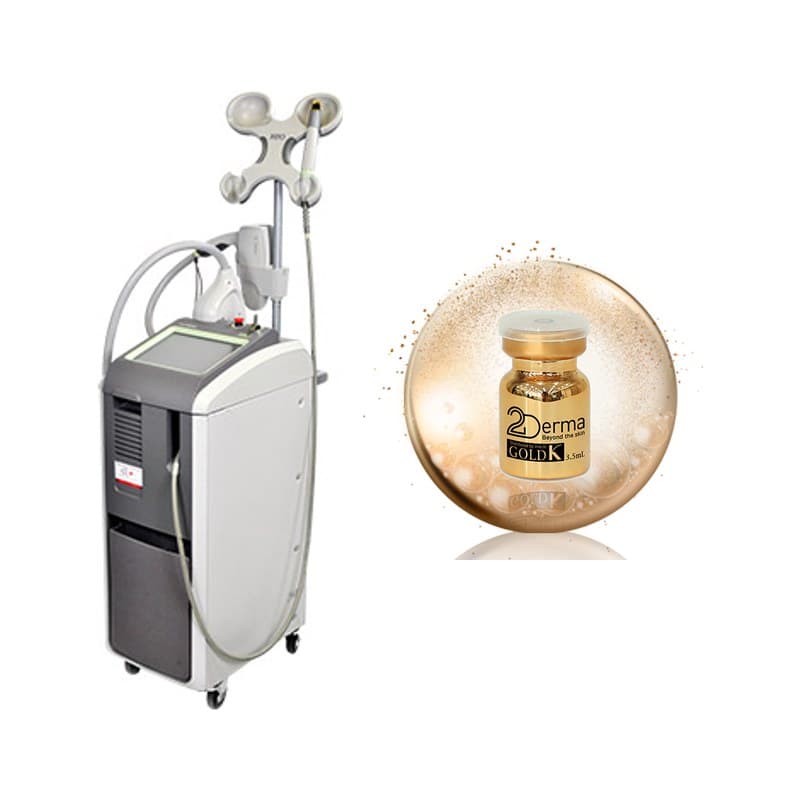
- Gold PTT generally refers to tiny gold particles worked into the pores and then heated with a laser, aiming at the oil glands. It's used for oily skin with recurring inflamed spots.
- Lasers can calm redness and inflammation and help the red or brown marks that breakouts leave behind fade sooner.
- Sylfirm X is a microneedle radiofrequency device: very fine needles release energy at a set depth. It's one of the main treatments Korean clinics use for enlarged pores and acne scars.
- Pico Fraxel on the Picolite Black pico laser is the mode aimed at texture and scars.
Which of these comes first depends on what the scan and your skin show. I diagnose from data, so the EVE MUSE analysis and what I see in person set the order, not a fixed package.
Is one session enough for active acne?
Usually not. A clogged pore takes weeks to grow into a visible spot, so the breakout you see today began a while ago, and new ones are already forming underneath. One peel or laser session can calm what's on the surface. It doesn't stop the next cycle.
That's why acne procedures are generally done as a series spaced a few weeks apart, and why daily care between sessions matters as much as the sessions themselves. For moderate to severe acne, especially deep and painful lumps, prescribed treatment from a doctor at home is usually the backbone, and procedures sit on top of it.
An example: a long weekend in Seoul
Say you're 27 and teaching English in Tokyo. You get breakouts along your chin that flare before your period, some brown marks on your cheeks, and a few shallow scars. You have four days in Seoul.
Here's how I would reason about it. The chin breakouts are active and hormonal, so in one visit I'd aim to calm them and leave the scars for later, because scar treatment works better once inflammation has settled. The brown marks are most likely post-inflammatory and would fade on their own over months; a laser can help them along. The scars are the slowest part and need a series. If this trip is the only visit you can make, I'd tell you that plainly and put the visit toward what one session can change.
If most of your acne is deep, painful lumps along the jaw, a few laser sessions in Seoul won't be enough on their own, and I'd rather tell you that than sell you sessions. Steady care from a dermatologist at home does more for that kind of acne. Where a visit here helps is calming the surface, clearing congestion, and working on marks and scars once the breakouts are under control.
Before you book flights, jot down when your breakouts usually flare (before your period, after stress, all the time) and anything prescribed for your acne in the past year. Send those on WhatsApp with your Seoul dates, and ask which part of the plan fits that window.
Are those scars, or marks that will fade?
Many people searching for acne scar treatment in Korea are looking at two different things. Flat brown or red spots left after a pimple heals are usually marks. DermNet describes post-inflammatory hyperpigmentation as darkening that follows skin inflammation, and it fades slowly, often over months and longer in darker skin (DermNet on post-inflammatory hyperpigmentation). Sun exposure makes it linger.
Scars change the surface itself: rolling dips, narrow ice-pick holes, box-shaped dents, or raised scars. They don't fade on their own. The American Academy of Dermatology advises getting acne under control before treating scars, and lists laser resurfacing and needling-based treatments among the options chosen by scar type (AAD on acne scar treatment).
For brown marks, pico toning is one option, and I compare it with other pigment treatments in pico laser in Korea for melasma and dark spots. For scars, Sylfirm X and Pico Fraxel are the tools on our menu, usually as a series.
What do reviews get right, and what do they get wrong?
Forum threads about acne care in Seoul repeat a few claims. Some hold up better than others.
“One session cleared my skin.” Be careful with this one. A session can leave skin calmer and smoother within days, especially after a peel. Whether breakouts stay away is a question for the following months, which a review written that week can't answer.
“My skin got worse before it got better.” This does happen. Peels and some lasers can bring up a short flare of small spots in the first days to couple of weeks as clogged pores clear. A flare that keeps spreading, hurts, or comes with pus or blisters is a different matter and should be checked.
“Korean skincare fixed my acne.” For mild acne, a consistent routine with non-irritating products can be enough. For moderate acne and scarring, products alone rarely change much, and that's where clinic care and prescribed treatment come in.
“Clinics charge foreigners more.” I can speak only for how pricing works here: Korean and international patients pay the same price, and the plan is made by a doctor in consultation, never by a coordinator.
Planning acne care around a trip to Seoul
Peachcell is open Monday to Friday 10:00–20:00 and Saturday 10:00–16:00, and closed on Sundays. Weekday lunch is 13:30–14:30. If you land on a Friday night, Saturday is your window; Sunday is not.
After a peel or laser, expect some redness and possibly dryness or flaking for a few days. Most people can walk around the city the same day. The sun is the real issue: freshly treated skin marks more easily, so plan on sunscreen and a hat rather than a beach day. Cabin air is dry, so pack a plain moisturizer for the flight home.
If you can come back, a second visit a few weeks later usually does more than squeezing two sessions into one week. You can see the full treatment list and book from Peachcell's English home page.
The CDC's medical tourism guidance suggests keeping copies of your records and arranging follow-up care at home before you travel (CDC on medical tourism). For acne, that means a dermatologist or GP at home who knows what you had done in Seoul.
What decides the cost of acne treatment in Seoul?
I won't put figures here, because your case sets them. The cost moves with:
- Breakouts, scars, or both. Calming active acne and resurfacing scars use different methods, and doing both adds up.
- The method. A peel, gold PTT, a laser session and Sylfirm X are each priced differently.
- How many sessions. Scars usually need a series; marks may need fewer.
- The area. Face only, or chest and back as well.
- Your days in Seoul. How many sessions fit before you fly home shapes the whole plan.
Because Korean and international patients pay the same price, being a visitor doesn't change the quote. To get the figure for your own skin, ask on WhatsApp what your case would cost, and say whether you want to treat breakouts, scars or both.
What acne treatment won't do
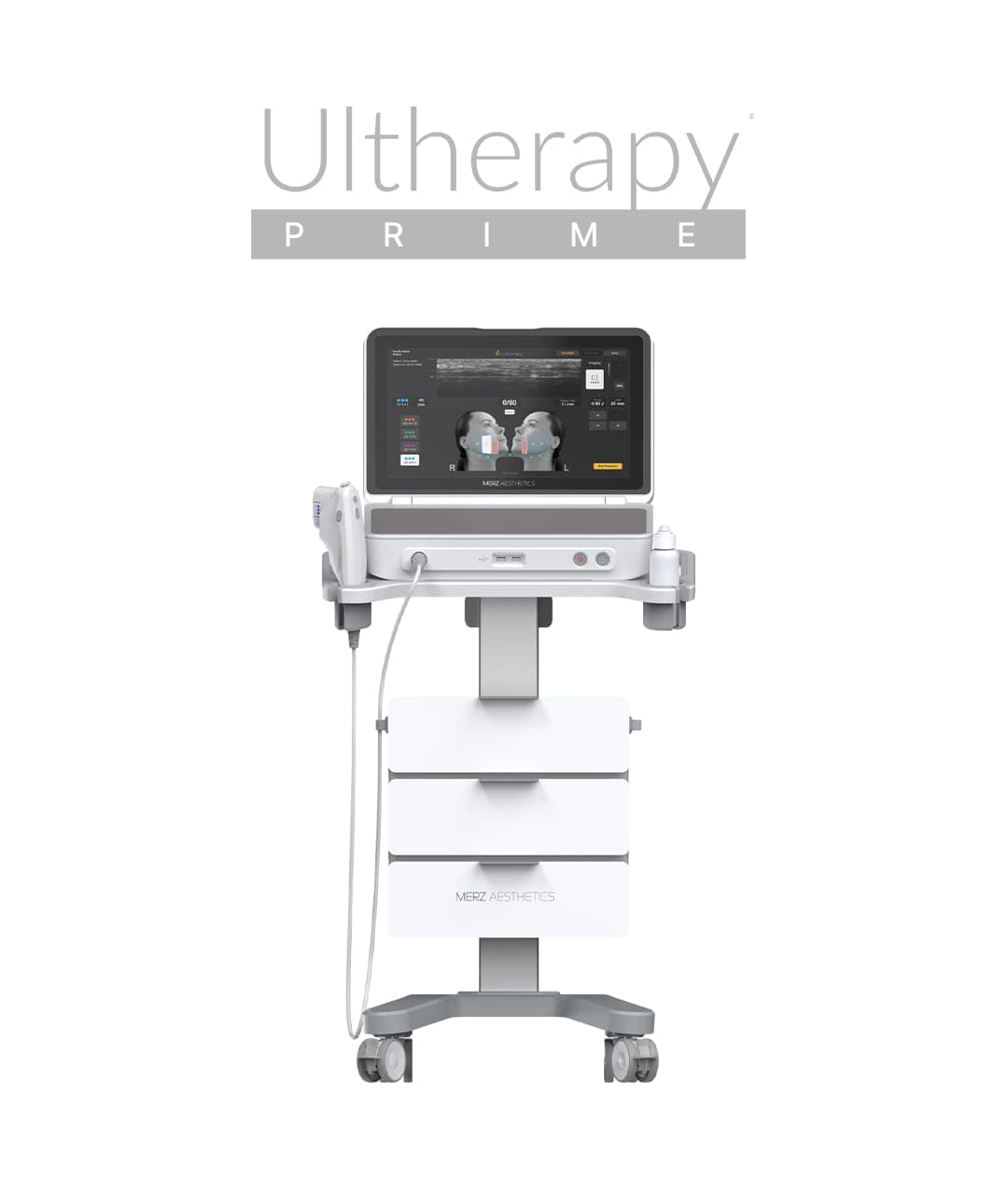
Acne care works on breakouts, marks and texture. It doesn't lift, slim or tighten. If you're also thinking about a heavy lower face, a wide jaw or loosening skin, those are separate questions with separate treatments: Onda lifting for double chin and jowls, Ultherapy PRIME vs Thermage FLX for sagging skin, and botulinum toxin in Korea for jaw slimming and skin texture. I'd keep them out of a first acne visit unless you've already thought them through.
Risks and side effects to know
The common reactions are temporary. Redness and warmth usually last from a few hours to a couple of days. Peels can leave skin dry, tight and flaking for several days. Microneedle radiofrequency can leave tiny dots or mild swelling that generally settle within days. A short flare of small spots can follow the first sessions.
Some people should wait or skip certain procedures, as a general rule:
- an infection, cold sore or open wound where you'd be treated
- isotretinoin now or in recent months (many doctors delay peels, lasers and needling after it)
- pregnancy or breastfeeding
- a fresh tan or sunburn
- a history of keloid or raised scarring
- very inflamed cystic acne that needs medical treatment first
Tell the doctor about every cream and tablet you use, including ones you stopped recently.
After you fly home, the most likely issue is darkening at treated spots, which is more common in darker skin, so keep up daily sunscreen for weeks. Spreading redness, increasing pain, pus, blisters or fever are reasons to see a doctor at home promptly; send a photo with your treatment date on WhatsApp as well. How your skin responds varies with skin type and how active the acne is.
When you come in, the doctor who does your treatment goes through your EVE MUSE scan with you and recommends what fits your skin.
Results vary by individual, and the treatment plan is decided after your skin is assessed in person.
Sources
Frequently asked questions
Does acne treatment in Korea hurt?
Peels usually tingle or sting for a few minutes. Lasers feel like quick snaps of heat. Microneedle radiofrequency such as Sylfirm X is the most uncomfortable of the group, and numbing cream is commonly used before it.
Can I keep using my Korean face wash during treatment?
Usually yes, if it's a mild, non-abrasive cleanser. Pause scrubs, acids and retinoid products for the days around a peel or laser, and bring the products you use to the consultation so the doctor can see them.
Can I fly the day after an acne laser or peel?
For surface procedures like peels and most lasers, flying the next day is generally fine. Expect some redness or dryness, moisturize on the plane and keep treated skin out of strong sun.
I'm taking isotretinoin. Can I have a procedure in Seoul?
Many doctors postpone peels, lasers and needling while you take isotretinoin and for some months after. Mention it, with the dates you started and stopped, before you book anything.
Do international patients pay more at Peachcell?
No. Korean and international patients pay the same price, with no tourist surcharge and no separate menu.
Can I have the consultation in English?
Yes. English consultation is available at the clinic, and on WhatsApp the team replies in English.
Results vary by individual. Every treatment plan is decided after an in-person consultation with the doctor.
Send a daylight photo of your skin and your Seoul dates on WhatsApp
Message us on WhatsApp with a few makeup-free photos, your main concern and your travel dates. Dr. Ha's team replies in English with which treatment fits and what to plan for, before you book anything.
- Free online consultation on WhatsApp
- A doctor's view of your skin before you book
- A doctor, not a sales counselor, consults you

Dr. Ha Chang-ik
Representative Director, Head Doctor
Dr. Ha Chang-ik is the Representative Director and head doctor of Peachcell Clinic. He graduated from Korea University College of Medicine and has served as a director at clinics in Seoul and Jeju, including the skin center at Cheongdam OK Plastic Surgery.